Maximize Business Safety With Routine Electrical Inspections in Rye, NH and Surrounding Areas
Routine electrical inspections are essential for maintaining safe and efficient commercial buildings. Businesses rely heavily on electrical systems to power equipment, lighting, and daily operations. Over time, wiring, panels, and electrical components can wear out or become outdated. Regular inspections help identify potential hazards early, reduce the risk of electrical failures, and ensure that commercial properties remain compliant with safety regulations.
Why are routine electrical inspections important for businesses?
Routine electrical inspections help detect hidden problems before they turn into serious safety hazards. Faulty wiring, overloaded circuits, and aging electrical panels can cause fires or equipment damage. Regular inspections allow professionals to identify these issues early and recommend necessary repairs. This proactive approach keeps employees and customers safe while protecting business assets.
How often should commercial electrical systems be inspected?
Most experts recommend that businesses schedule a professional electrical inspection at least once every year. Facilities with heavy equipment or high electrical demand may require more frequent inspections. Regular checkups ensure that electrical systems continue operating safely and efficiently. Consistent monitoring also helps businesses meet safety and building code requirements.
What areas are checked during an electrical inspection?
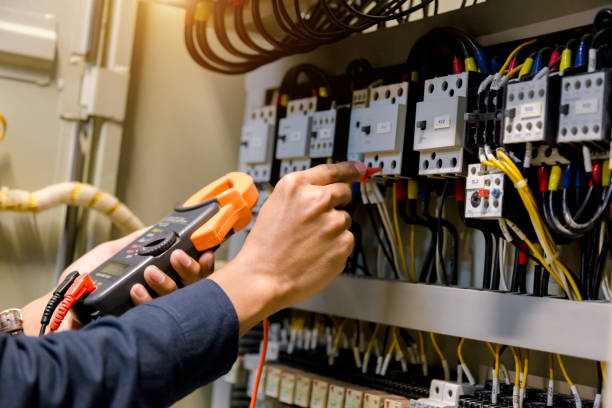
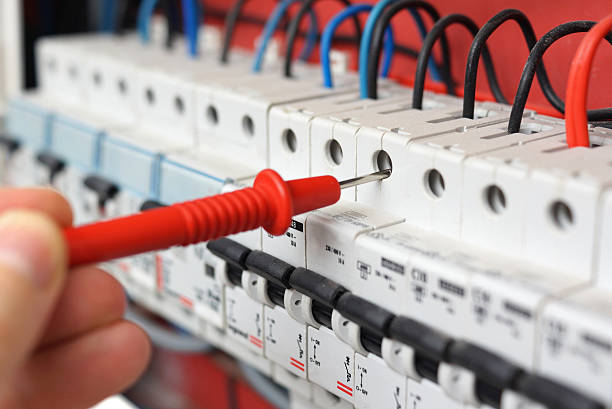
During an inspection, electricians examine wiring, circuit breakers, electrical panels, outlets, lighting systems, and grounding connections. They also check for overheating components, damaged insulation, or outdated equipment. These evaluations help determine whether the electrical system is functioning properly. Identifying weak points early helps prevent unexpected failures.
Can electrical inspections prevent workplace accidents?
Yes, electrical inspections play a key role in preventing workplace accidents. Faulty electrical systems can lead to shocks, equipment malfunctions, or fires. By identifying potential risks, electricians can fix problems before they harm employees or customers. Maintaining a safe electrical system also helps businesses avoid liability issues.
Do electrical inspections help businesses meet safety regulations?
Routine inspections ensure that commercial electrical systems comply with local safety codes and industry regulations. Businesses that fail to meet these requirements may face fines or operational restrictions. Professional inspections confirm that electrical systems meet current standards. Compliance helps maintain a safe and legally approved work environment.
How do electrical inspections protect business equipment?
Sensitive equipment such as computers, machinery, and security systems rely on stable electrical power. Electrical issues like voltage fluctuations or overloaded circuits can damage these devices. Inspections identify electrical weaknesses that could affect equipment performance. Addressing these problems helps businesses avoid expensive replacements.
Can electrical inspections improve energy efficiency?
Yes, inspections often reveal outdated or inefficient electrical components that waste energy. Upgrading lighting systems, wiring, or electrical panels can reduce electricity consumption. Energy-efficient systems lower operating costs while improving overall performance. Businesses can benefit from both safety improvements and energy savings.
What signs indicate a business needs an electrical inspection?
Frequent circuit breaker trips, flickering lights, burning smells, or warm outlets can indicate electrical problems. These warning signs should never be ignored. Scheduling a professional inspection helps determine the cause of the issue. Addressing these symptoms early prevents further damage to the electrical system.
How long does a commercial electrical inspection take?
The length of an inspection depends on the size and complexity of the building. Small commercial properties may take a few hours, while larger facilities can require a full day. Electricians carefully evaluate each component to ensure safety and functionality. A detailed report is usually provided after the inspection.
Can routine inspections reduce long-term maintenance costs?
Yes, preventative inspections help businesses avoid major electrical failures that require costly repairs. Fixing minor issues early is usually much less expensive than dealing with emergency repairs. Regular maintenance also extends the lifespan of electrical systems. Over time, this proactive strategy saves businesses money.
Final Thought
Routine electrical inspections are a crucial part of maintaining a safe and reliable commercial property. By identifying potential hazards, improving energy efficiency, and ensuring regulatory compliance, inspections help businesses operate with confidence. Investing in regular electrical maintenance protects employees, equipment, and long-term business operations.
What is the purpose of a commercial electrical inspection?
The purpose is to evaluate the safety, efficiency, and condition of electrical systems to ensure they meet current safety standards.
Who should perform electrical inspections for businesses?
Licensed electricians or qualified electrical contractors should perform commercial inspections to ensure accurate assessments and compliance with regulations.
Can electrical inspections prevent electrical fires?
Yes, inspections can detect faulty wiring, overloaded circuits, and other issues that may lead to electrical fires.
Are electrical inspections required for commercial buildings?
In many cases, local regulations require periodic electrical inspections for commercial properties to ensure safety compliance.
Do electrical inspections disrupt business operations?
Most inspections are designed to minimize disruptions and can often be scheduled during off-peak hours.
Email: [email protected]
Phone: +1 603-997-7821
Address: 37 Plaistow Rd 7 249, Plaistow, NH 03865, USA