Generator Installation Types in Plaistow, NH & Surrounding Areas
Power reliability is an important concern for homeowners and businesses in Plaistow, NH and nearby communities. Unexpected outages caused by storms, aging infrastructure, or seasonal weather can disrupt daily routines and business operations. Installing a reliable backup power solution helps ensure that essential systems like lighting, heating, refrigeration, and communication continue to function during outages. Different installation types are available depending on property size, energy requirements, and budget considerations. Understanding how these systems work and what installation involves helps property owners make confident decisions for long-term energy security in Plaistow and surrounding areas.
What should property owners know before installing a backup power system?
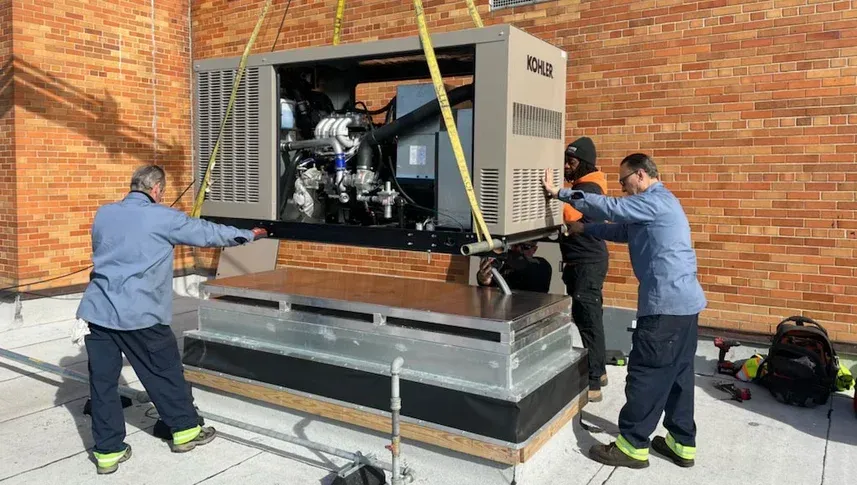
Before installing a system, it is important to evaluate power needs, property layout, and electrical capacity. A professional inspection helps determine the appropriate size and connection method. During the process, generator installation service ensures the unit is placed safely, connected properly, and compliant with local electrical codes. This preparation helps prevent overload issues and ensures reliable operation during outages.
How do standby and portable systems differ in functionality?
Standby systems are permanently installed and automatically activate when power fails, while portable units require manual setup and fueling. Standby options are usually connected directly to the electrical panel and fuel source. Many homeowners choose generator installation service because it provides seamless integration with the home’s electrical system. This setup ensures immediate power restoration without manual intervention.
What factors influence the best system size for a property?
The correct size depends on the total electrical load of the home or building. Appliances, HVAC systems, lighting, and essential devices all contribute to power demand. Professionals performing electrical installation evaluate these loads and design a system that supports critical circuits or the entire property. Proper sizing prevents system strain and ensures reliable power distribution.
How does the installation process typically work?
The process usually begins with a site assessment and planning phase. After selecting the appropriate equipment, technicians prepare the installation location, connect wiring, and integrate safety switches. During this stage, electrical installation ensures that all components communicate safely with the property’s electrical panel. Final testing confirms the system activates correctly when utility power is lost.
Why is professional setup recommended instead of DIY installation?
Electrical systems involve complex wiring, safety codes, and load balancing that require professional expertise. Incorrect connections can damage appliances or create fire hazards. If issues occur later, generator repair services can diagnose problems such as faulty switches or system malfunctions. Professional work ensures both safety and long-term system performance.
How often should backup power systems be maintained?
Routine maintenance is recommended at least once or twice a year depending on usage. Maintenance includes inspecting electrical connections, replacing filters, checking fuel systems, and testing performance. If the unit shows warning signs or fails to start during testing, generator repair services help identify and resolve the issue quickly. Regular servicing extends equipment lifespan and reliability.
What safety considerations are important during operation?
Safety is essential when operating any backup power equipment. Proper ventilation, fuel handling, and electrical grounding must be followed to prevent hazards. If wiring problems occur, electrical repair services address issues such as faulty breakers or damaged circuits. Correcting these problems ensures safe power flow throughout the property.
How can homeowners prepare their property for installation?
Preparation involves clearing space for the unit, ensuring access to electrical panels, and discussing placement with technicians. Some systems may require concrete pads or protective enclosures. Professionals providing generator installation service coordinate these details to ensure proper positioning and secure mounting. Good preparation helps streamline the installation process.
What role does weather play in backup power planning?
Regions like Plaistow, NH often experience strong storms, winter snow, and seasonal outages that affect power lines. Having a reliable system in place reduces disruptions during these conditions. If electrical problems arise during severe weather, electrical repair services ensure circuits and panels remain safe and functional. Weather-ready systems provide peace of mind throughout the year.
How long do backup power systems usually last?
Most systems last between 10 and 20 years depending on usage, maintenance, and environmental conditions. Regular servicing and periodic inspections help maintain peak performance. When components wear out, generator repair services can replace parts and restore efficiency. Proper care ensures consistent power support during emergencies.
Final Thought
Reliable backup power solutions are becoming increasingly important for homes and businesses in Plaistow, NH and nearby areas. Understanding installation types, system sizing, and maintenance requirements allows property owners to prepare for unexpected outages. With the right planning and professional guidance, backup power systems provide dependable protection and long-term peace of mind for everyday energy needs.
How long does a typical installation take?
Most installations can be completed within a day or two depending on the system size and property layout. Preparation work such as wiring adjustments or pad placement may add extra time.
Do backup power systems increase property value?
Yes, many buyers see them as valuable upgrades because they provide security and convenience during outages. This added reliability can make properties more attractive in areas prone to power disruptions.
Are permits required for installation?
Many local municipalities require permits to ensure electrical safety and compliance with building codes. Professional installers usually handle the permitting process and schedule inspections.
Can the system power the entire home?
Yes, some systems are designed to support the entire property, while others focus on essential circuits. The decision depends on energy demand and the system capacity selected during planning.
What fuel options are commonly used?
Common fuel sources include natural gas, propane, and diesel. Each option offers different advantages in terms of availability, storage, and runtime during extended outages.
Email: [email protected]
Phone: +1 603-997-7821
Address: 37 Plaistow Rd 7 249, Plaistow, NH 03865, USA