

Generator Installation Process in Kingston, NH & Surrounding Areas
Power outages can disrupt homes and businesses, especially during storms or unexpected grid failures. Many property owners in Kingston, NH and nearby areas choose backup power solutions to keep essential systems running when electricity is unavailable. A properly installed generator ensures safety, reliability, and continuous energy during emergencies. The installation process involves planning, electrical preparation, and system integration to match the property’s power requirements. Professional installation also ensures that all local electrical codes and safety standards are followed for long-term performance.
How does a backup power system improve home safety during outages?
A backup power system helps maintain electricity for critical appliances, lighting, and heating systems during outages. This ensures that homes remain comfortable and functional even when the grid fails. Generator Installation Service allows homeowners to automatically switch to backup power when electricity is interrupted. The system provides peace of mind during severe weather or unexpected power loss.
What factors should homeowners consider before adding a backup power solution?
Homeowners should evaluate their energy needs, property layout, and the appliances they want to keep running during an outage. Understanding power load requirements ensures the system can support essential devices without overloading. Professional planning also helps determine the most suitable generator size and installation location. This approach ensures reliable performance and long-term safety.
How long does the setup process typically take for a residential system?
The time required depends on the property’s electrical setup and the generator size. Some installations can be completed within a day, while larger systems may require additional preparation and inspection. The process includes placing the generator, connecting electrical components, and testing the system. Proper setup ensures the equipment operates smoothly when power is needed most.
Why is professional installation recommended for backup power equipment?
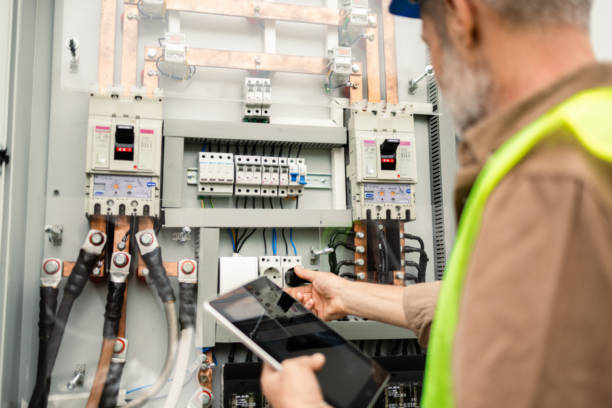
Professional installation ensures that the generator is safely connected to the property’s electrical system. Experts handle wiring, grounding, and automatic transfer switch connections according to safety standards. Electrical Installation ensures that all components are properly integrated with the existing electrical panel. This prevents electrical hazards and ensures efficient operation during outages.
What maintenance steps help keep a backup power system reliable?
Routine maintenance keeps the generator ready for use at all times. Regular inspections, oil changes, and system tests help identify potential issues before they become serious problems. Generator Repair Services can address wear and mechanical faults that may develop over time. Consistent servicing ensures the generator starts quickly and operates efficiently during emergencies.
Where is the best location to place a generator on a property?
Generators should be installed in well-ventilated outdoor areas away from windows and doors. Proper placement ensures safe exhaust ventilation and reduces noise exposure for occupants. Installers also consider accessibility for maintenance and protection from environmental damage. A strategic location helps extend the equipment’s lifespan.
What happens if the system experiences electrical issues after installation?
Electrical issues can occasionally occur due to wiring faults, component wear, or power surges. A qualified technician can quickly diagnose and fix these problems to restore reliable operation. Electrical Repair Services ensure that all connections, circuits, and safety devices are functioning correctly. Addressing issues promptly helps prevent further damage to the system.
How does automatic switching work during a power outage?
When a power outage occurs, the transfer switch detects the interruption in electricity. The system then signals the generator to start and supply power to the home or building. Once utility power is restored, the switch safely transfers electricity back to the main grid. This automated process keeps appliances running without manual intervention.
Can a backup system power the entire home or only selected appliances?
The answer depends on the generator capacity and the homeowner’s energy priorities. Some systems are designed to power the entire property, while others focus on essential appliances. A professional evaluation helps determine the best setup based on power usage and budget. Proper planning ensures efficient energy distribution.
How often should homeowners test their backup power system?
Testing the system periodically ensures it operates properly during an outage. Many experts recommend running the generator once a month to verify performance. This process allows homeowners to confirm that all components are working as expected. Routine testing helps detect potential issues before they affect reliability.
Final Thought
Backup power solutions provide security and convenience for homeowners and businesses facing unexpected outages. A properly installed generator system ensures that essential appliances and electrical systems continue running when the grid fails. Professional planning, safe installation, and regular maintenance help extend the lifespan of the equipment and improve performance. By investing in a reliable power solution, property owners in Kingston, NH can stay prepared for any electrical interruption.
What size generator is usually recommended for residential properties?
The recommended size depends on the number of appliances and systems that need power during an outage. A professional assessment helps determine the correct capacity. Choosing the right size prevents overload and ensures efficient operation.
Do generators require regular inspections after installation?
Yes, regular inspections help maintain reliability and identify issues early. Routine checks ensure that the system starts quickly and operates safely when needed. Maintenance also helps extend the generator’s service life.
Is a permit required before installing a generator?
In many areas, local regulations require permits and inspections before installation. These requirements ensure safety and compliance with electrical codes. Professional installers usually manage the permit process for homeowners.
Can generators operate during severe weather conditions?
Yes, generators are designed to operate during storms and emergencies. Proper installation and weather-resistant housing help protect the equipment from environmental damage. Safe placement also ensures proper ventilation during operation.
How long can a generator run during an extended outage?
The runtime depends on fuel type, generator capacity, and power demand. Many systems can run for several hours or even days with proper fuel supply. Regular monitoring helps maintain performance during extended outages.
Email: [email protected]
Phone: +1 603-997-7821
Address: 37 Plaistow Rd 7 249, Plaistow, NH 03865, USA