Generator Installation Cost in Plaistow NH & Surrounding Areas
Power outages can happen unexpectedly, making reliable backup power an important investment for homes and businesses in Plaistow NH and nearby communities such as Kingston, Atkinson, Newton, and Hampstead. Understanding the cost factors involved helps property owners prepare for a smooth installation process and avoid unexpected expenses. Pricing often depends on generator size, installation complexity, electrical upgrades, and site preparation requirements. Many homeowners also consider fuel type, maintenance needs, and long-term reliability before making a final decision. With the right planning and professional support, installing a standby generator can provide peace of mind and uninterrupted power during emergencies.
What factors influence the overall cost of a home backup power system?
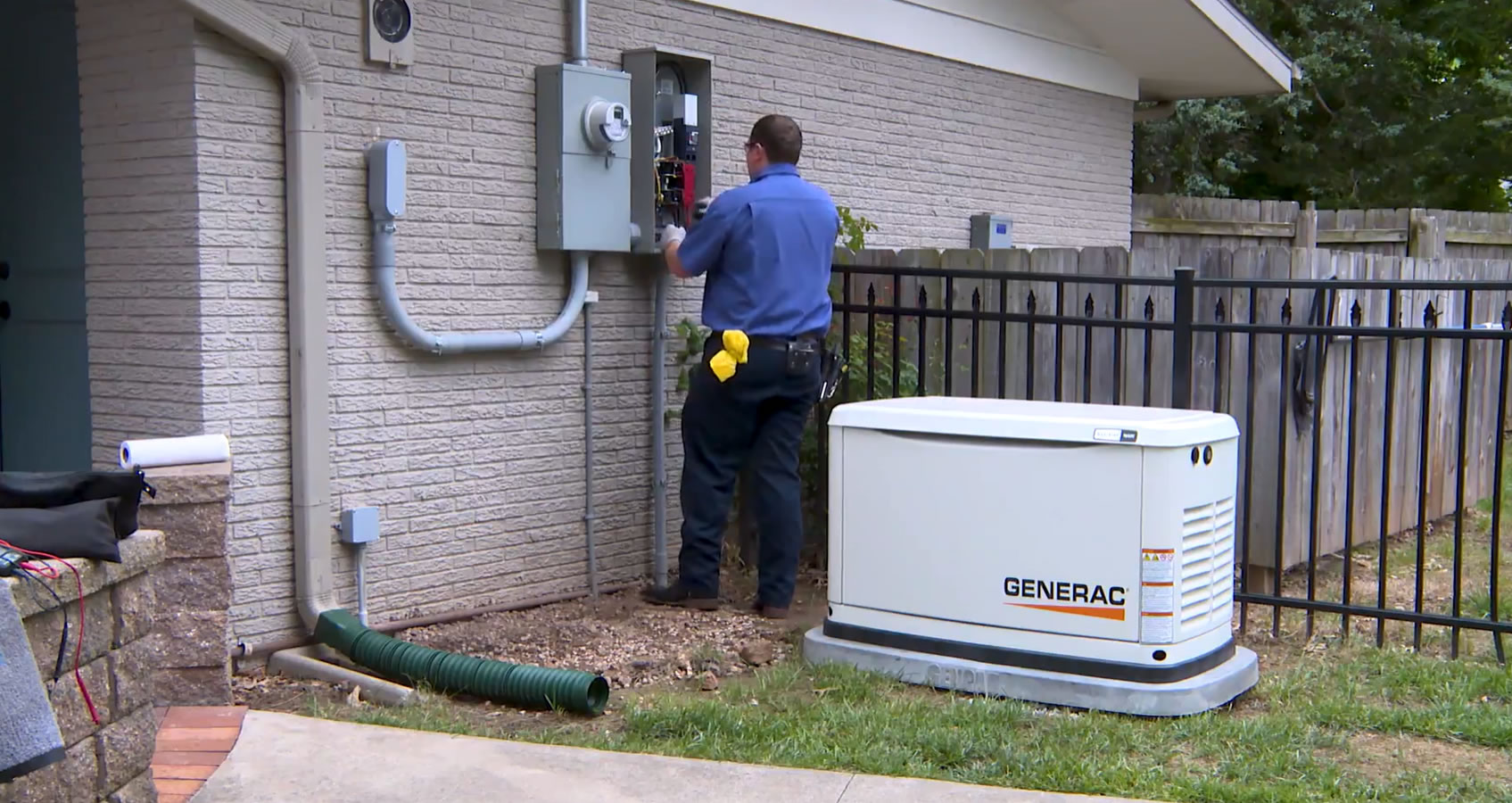
The price can vary depending on the size of the unit, the type of fuel it uses, and how complex the installation process is. Homes with larger electrical loads may require higher capacity equipment and upgraded electrical connections. A professional generator installation service ensures the system is sized properly and connected safely to the home’s electrical panel. Proper planning also helps avoid additional costs caused by incorrect equipment selection.
How long does it usually take to complete a full setup for a backup power system?
The timeline can range from a single day to several days depending on the complexity of the project. Factors such as electrical panel upgrades, fuel line connections, and permit approvals may affect the schedule. In some situations, electrical installation work is required to safely connect the generator to the property’s power distribution system. Proper installation ensures the system operates efficiently during outages.
Is a permit required before installing a standby power system in residential properties?
Most municipalities require permits before installation begins to ensure the equipment meets safety codes and zoning requirements. Local building departments review placement, wiring, and fuel supply plans before approval. This process helps protect homeowners from potential hazards and ensures the system is installed according to current regulations. Working with experienced professionals helps simplify the permitting process.
What size equipment is typically recommended for residential properties?
The ideal size depends on how much power a household needs during an outage. Some homeowners choose smaller units to power essential appliances, while others prefer whole-home solutions that run everything simultaneously. An assessment of appliances, HVAC systems, and electrical usage helps determine the appropriate capacity. Choosing the correct size prevents overload and ensures reliable performance.
What happens if the backup power system stops working unexpectedly?
Unexpected issues can occur due to mechanical wear, battery failure, or fuel supply problems. When a system fails to start or operate properly, generator repair services can diagnose the problem and restore functionality. Professional technicians inspect components such as control panels, wiring, and internal parts to identify faults. Regular servicing helps prevent these unexpected breakdowns.
Are there ongoing maintenance costs associated with standby power equipment?
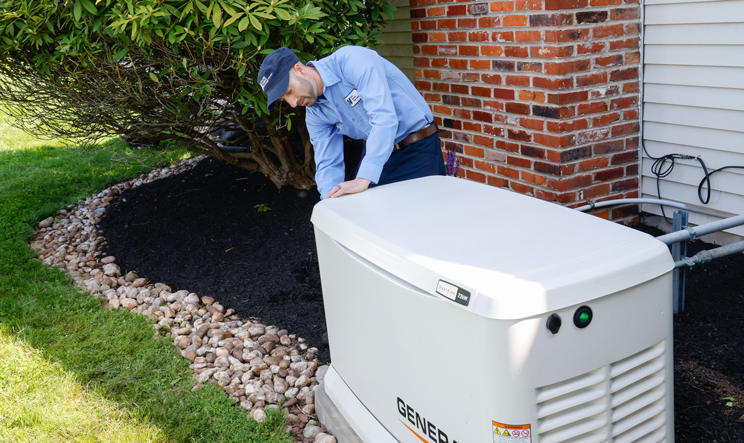
Yes, maintaining the equipment is essential to ensure it functions properly during an outage. Routine inspections, oil changes, and battery checks are commonly required. Periodic servicing keeps the internal components clean and prevents long-term mechanical damage. Scheduled maintenance also helps extend the lifespan of the equipment.
Can older homes support modern backup power systems without upgrades?
Many older properties may require electrical upgrades before installation. Outdated wiring, insufficient panels, or limited electrical capacity can create compatibility issues. In such cases, electrical repair services may be necessary to update the wiring and ensure the system meets safety standards. These upgrades help ensure reliable power transfer during an outage.
Where is the best location to place a standby power unit on a property?
Placement depends on safety regulations, ventilation requirements, and accessibility for maintenance. The unit is typically installed outdoors on a stable surface away from windows or air vents. Proper positioning reduces noise impact and ensures safe exhaust ventilation. Local building codes often specify minimum clearance distances.
Does the type of fuel affect installation expenses?
Fuel choice can significantly influence both installation cost and long-term operating expenses. Systems powered by natural gas, propane, or diesel each have different setup requirements. Some fuel types require additional piping or storage tanks, which can increase installation complexity. Evaluating fuel availability in the area helps determine the most practical option.
How can homeowners ensure their backup power system lasts for many years?
Long-term reliability depends on proper installation, routine inspections, and professional servicing. Regular checks allow technicians to identify worn components before they cause major failures. Following manufacturer maintenance schedules helps maintain performance and efficiency. Investing in quality equipment and professional installation also contributes to durability.
Final Thought
Installing a standby generator is a valuable investment for homeowners and businesses in Plaistow NH who want dependable power during unexpected outages. Understanding installation requirements, costs, and long-term considerations can help property owners make informed decisions. With proper planning and expert guidance, a backup power solution can provide reliable performance and peace of mind when it matters most.
How much does a standby power system typically cost to install?
The total cost varies based on equipment size, installation complexity, and electrical upgrades. Smaller systems designed for essential appliances usually cost less than whole-home solutions. Additional expenses may include permits, site preparation, and fuel connection requirements.
Do standby power systems turn on automatically during outages?
Yes, most modern systems automatically activate when a power outage is detected. An automatic transfer switch shifts the electrical load from the grid to the generator within seconds. This allows appliances and essential systems to continue running without manual intervention.
Is it possible to power an entire house with backup equipment?
Yes, whole-home systems are designed to handle the entire electrical load of a property. However, the equipment must be sized correctly to support HVAC systems, appliances, and lighting simultaneously. A professional assessment helps determine the correct capacity.
How often should backup power systems be inspected?
Most manufacturers recommend professional inspections at least once a year. Regular servicing ensures the system remains ready for emergencies and identifies potential issues early. Routine maintenance also helps extend equipment lifespan.
Are standby generators noisy when operating?
Modern systems are designed to operate relatively quietly compared to older models. Most units are enclosed and insulated to reduce sound levels during operation. Proper placement and installation also help minimize noise impact on nearby areas.
Email: [email protected]
Phone: +1 603-997-7821
Address: 37 Plaistow Rd 7 249, Plaistow, NH 03865, USA